
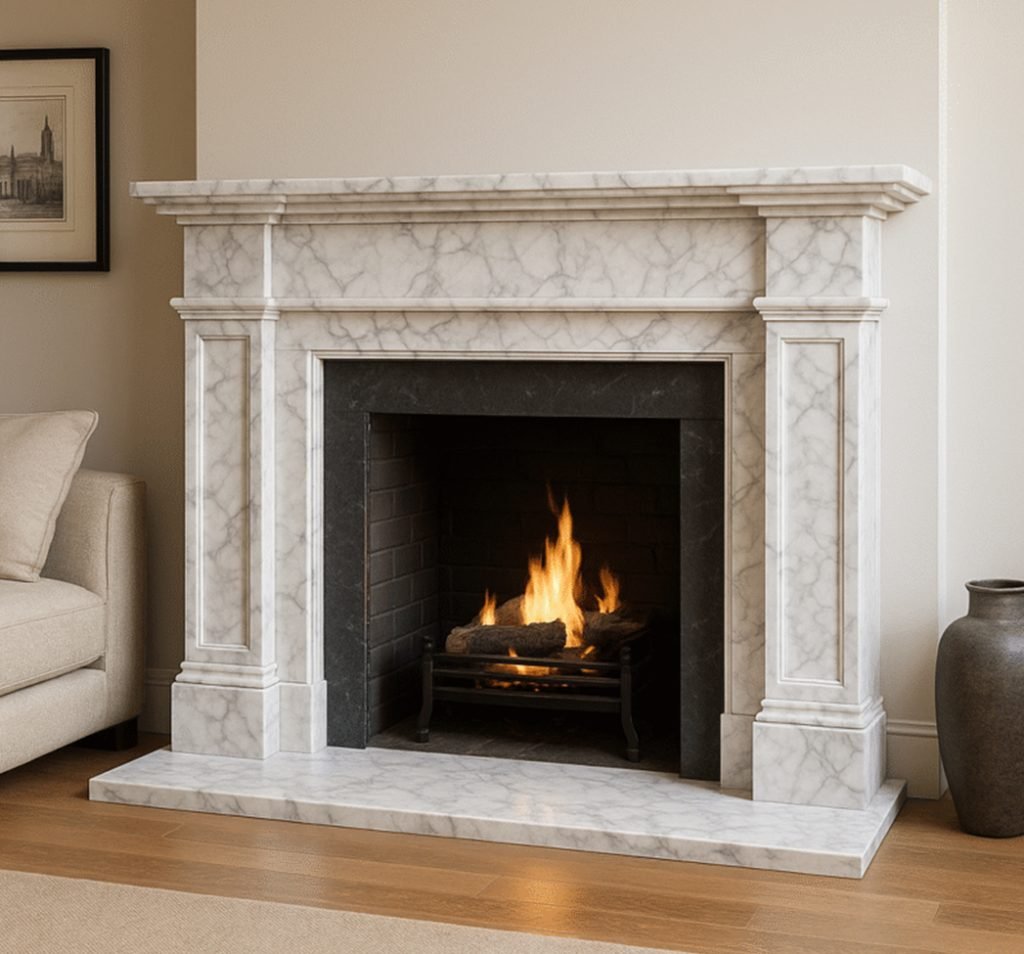
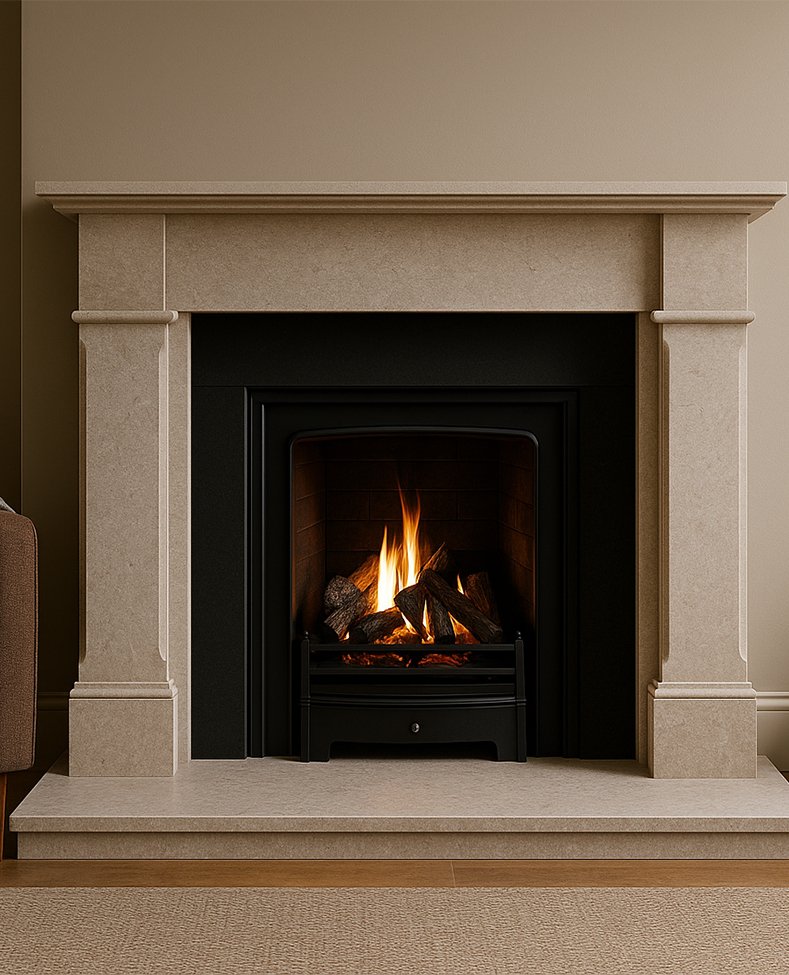
Stone fireplaces create a strong visual focal point while adding warmth and comfort to interior and exterior living spaces. Whether part of a renovation or a new installation, a well-designed stone fireplace enhances both functionality and architectural appeal. Professional installation ensures materials are properly fitted, secured, and integrated into the surrounding structure, helping the fireplace perform safely and effectively over time.
Stone is widely used in fireplace construction due to its durability and ability to withstand heat exposure. A properly built fireplace not only improves the atmosphere of a space but also adds long-term value and character. From traditional designs to modern finishes, stone fireplaces offer versatility while maintaining structural reliability.
The Value of Stone Fireplaces
Fireplaces serve as both functional heating features and design elements. A stone fireplace enhances the visual presence of a room while providing a durable structure that resists wear from heat and daily use. Proper installation ensures the fireplace remains stable and integrates seamlessly with surrounding walls and flooring.
When constructed with care and precision, stone fireplaces become a central feature of the home. They create a comfortable gathering area and help define the overall layout of the space. Choosing professional installation helps ensure the fireplace performs safely while maintaining its visual impact.
Material Options and Design Styles
Stone fireplaces can be built using a variety of materials, including natural stone, manufactured stone veneer, and masonry products. Each material offers different textures, colors, and finishes to match the surrounding design. Natural stone provides a traditional look with long-term durability, while stone veneer allows for lighter construction and more design flexibility.
The choice of material influences both the appearance and performance of the fireplace. Proper installation ensures materials are secured correctly and aligned with the structure. Careful planning helps create a cohesive design that complements flooring, walls, and other architectural features.
Design options range from classic hearth fireplaces to modern floor-to-ceiling stone features. Whether the goal is a subtle accent or a bold centerpiece, proper construction helps ensure the fireplace enhances the overall environment.
Functionality and Comfort
A stone fireplace contributes to comfort by providing a warm and inviting focal point. It can enhance the usability of living rooms, family spaces, and outdoor gathering areas. Beyond visual appeal, fireplaces add functional value by supporting heating efficiency and creating a central gathering space.
Properly installed fireplaces help maintain structural integrity and ensure safe operation. Clearances, ventilation, and support structures must be carefully planned to ensure the fireplace performs reliably. Professional installation helps ensure each component is positioned correctly and built to last.
The Installation Process
The installation of a stone fireplace begins with design planning and structural preparation. The base and surrounding surfaces must be reinforced to support the weight of the stone materials. Framing and support systems are inspected to ensure the structure can handle the installation safely.
Stone is then carefully placed and secured according to the chosen design. Mortar, adhesives, and structural supports are used to create a stable and durable finish. Attention to detail ensures the fireplace is level, aligned, and integrated with surrounding surfaces.
Working with experienced professionals for Stone Fireplaces helps ensure every stage of the installation is completed correctly. Proper construction supports both safety and long-term durability.
Durability and Long-Term Performance
Stone fireplaces are designed to withstand heat exposure and daily use. Proper installation and sealing help protect materials from cracking or shifting over time. Routine inspections and maintenance help preserve the structure and ensure safe operation.
Cleaning and occasional maintenance help maintain the appearance of the stone and prevent buildup from affecting performance. Addressing minor issues early helps extend the life of the fireplace and maintain its visual appeal.
When to Consider a Stone Fireplace
A stone fireplace may be added during a renovation, new construction, or as part of a design update. Replacing outdated fireplace materials with stone can improve durability and create a more cohesive design. Installing a new fireplace can also enhance the overall functionality of a living space.
Outdoor spaces also benefit from stone fireplaces, creating a comfortable area for gatherings and extending the usability of exterior environments. Careful planning ensures the fireplace integrates with surrounding features and supports long-term use.
Why Professional Installation Matters
Stone fireplace installation requires structural planning, precise measurements, and knowledge of material performance. Professional installers ensure the fireplace is properly supported and aligned. This level of care helps maintain both safety and long-term durability.
Experienced professionals also help guide design and material selection to ensure the fireplace fits the space and meets functional goals. Proper installation helps prevent future issues and ensures the fireplace remains a reliable feature of the home.
Creating a Warm and Lasting Feature
Stone fireplaces bring together warmth, durability, and visual appeal. They create a central feature that enhances comfort while adding architectural value. When installed correctly, a stone fireplace becomes a long-lasting part of the space, supporting both function and design.
Investing in professional installation helps ensure the fireplace performs reliably and remains structurally sound. With proper planning and quality materials, stone fireplaces provide lasting comfort and a timeless focal point for any environment.