
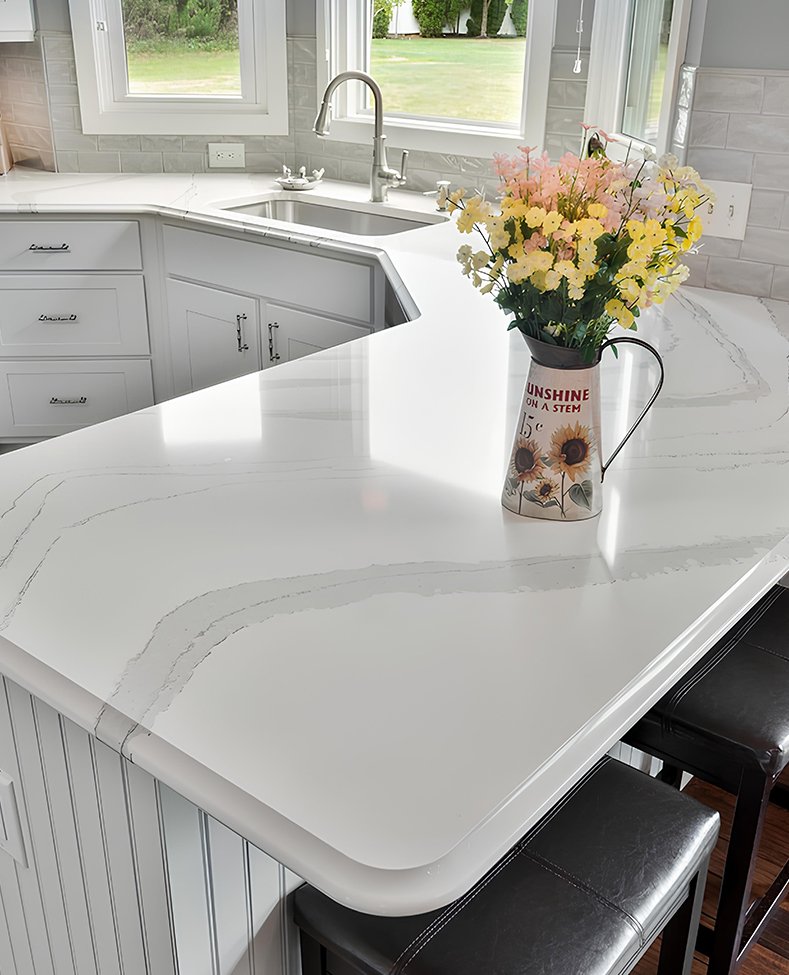

Kitchen countertops play a central role in both the functionality and appearance of a kitchen. They provide essential workspace for food preparation, cooking, and daily activities while contributing to the overall design of the space. Installing new kitchen countertops improves durability, enhances organization, and creates a cohesive environment that supports long-term use.
High-quality countertops help protect cabinetry and provide a stable surface that withstands heat, moisture, and daily wear. Whether part of a full remodel or a targeted upgrade, properly installed countertops improve efficiency and create a polished look that complements surrounding materials.
The Importance of Kitchen Countertops
Countertops are one of the most frequently used surfaces in the kitchen. They must be durable enough to handle daily tasks while maintaining their appearance over time. Proper installation ensures countertops remain level, secure, and aligned with cabinetry and appliances.
When installed correctly, countertops provide a reliable workspace that supports cooking, storage, and organization. They also help protect underlying structures from moisture and damage. Professional installation helps ensure these surfaces perform effectively and remain visually consistent.
Material Options and Design Choices
Kitchen countertops are available in a wide variety of materials, including granite, quartz, solid surface, laminate, and stone. Each material offers different benefits in terms of durability, maintenance, and design. Stone surfaces provide long-lasting strength, while engineered materials offer consistency and ease of care.
Selecting the right material depends on usage, design preferences, and maintenance needs. Some materials resist stains and scratches more effectively, while others provide unique textures and visual appeal. Proper installation ensures materials are positioned and sealed correctly to maintain performance.
Design considerations also influence countertop installation. Edge profiles, color choices, and layout must align with cabinetry, backsplashes, and flooring. Careful planning helps create a cohesive and functional kitchen environment.
Improving Functionality and Workflow
New countertops can significantly improve how a kitchen functions. Expanding surface area provides more room for food preparation and organization. Proper placement ensures easy access to appliances and storage areas, creating a more efficient workflow.
Well-designed countertops help maintain organization and reduce clutter. Smooth, level surfaces improve usability and support daily tasks. When installed professionally, countertops integrate seamlessly with surrounding features, improving overall functionality.
The Installation Process
Installing kitchen countertops begins with accurate measurements and preparation. Existing surfaces are removed if necessary, and cabinetry is inspected to ensure it can support the new material. Adjustments may be made to create a stable base and proper alignment.
Once preparation is complete, the countertop material is carefully positioned and secured. Seams are joined, edges are finished, and surfaces are sealed where required. Each step must be completed with precision to ensure durability and proper fit.
Working with experienced professionals for Kitchen Countertops helps ensure installation is completed correctly. Proper placement and sealing support long-term performance and reliability.
Durability and Maintenance
Kitchen countertops must withstand daily use, temperature changes, and exposure to moisture. Proper installation helps prevent movement, cracking, and surface damage. Sealed surfaces resist stains and maintain their appearance over time.
Routine cleaning and occasional maintenance help preserve the quality of countertops. Addressing minor issues early helps extend the lifespan of the material and maintain functionality.
When to Consider New Countertops
Replacing kitchen countertops may be recommended when surfaces become worn, damaged, or outdated. Updating countertops can improve both the appearance and usability of the kitchen without requiring a full remodel. New materials can enhance durability and create a refreshed design.
Countertop installation is also common during renovation projects when updating cabinetry or layout. Proper planning ensures the new surfaces integrate seamlessly with the rest of the kitchen.
Why Professional Installation Matters
Installing kitchen countertops requires precision, proper handling of materials, and careful alignment. Professional installers ensure surfaces are level, seams are secure, and edges are finished correctly. This attention to detail helps maintain both structural integrity and visual quality.
Experienced professionals help guide material selection and layout decisions to ensure countertops meet functional and design goals. Proper installation helps prevent future issues and ensures the surfaces remain stable over time.
Creating a Functional and Durable Kitchen
Kitchen countertops bring together functionality, durability, and design. They provide a reliable surface for daily use while enhancing the overall appearance of the kitchen. When installed correctly, they support long-term performance and visual consistency.
Investing in professional countertop installation ensures the kitchen remains efficient, organized, and visually appealing. With durable materials and proper placement, kitchen countertops become a lasting and functional feature of the home.