
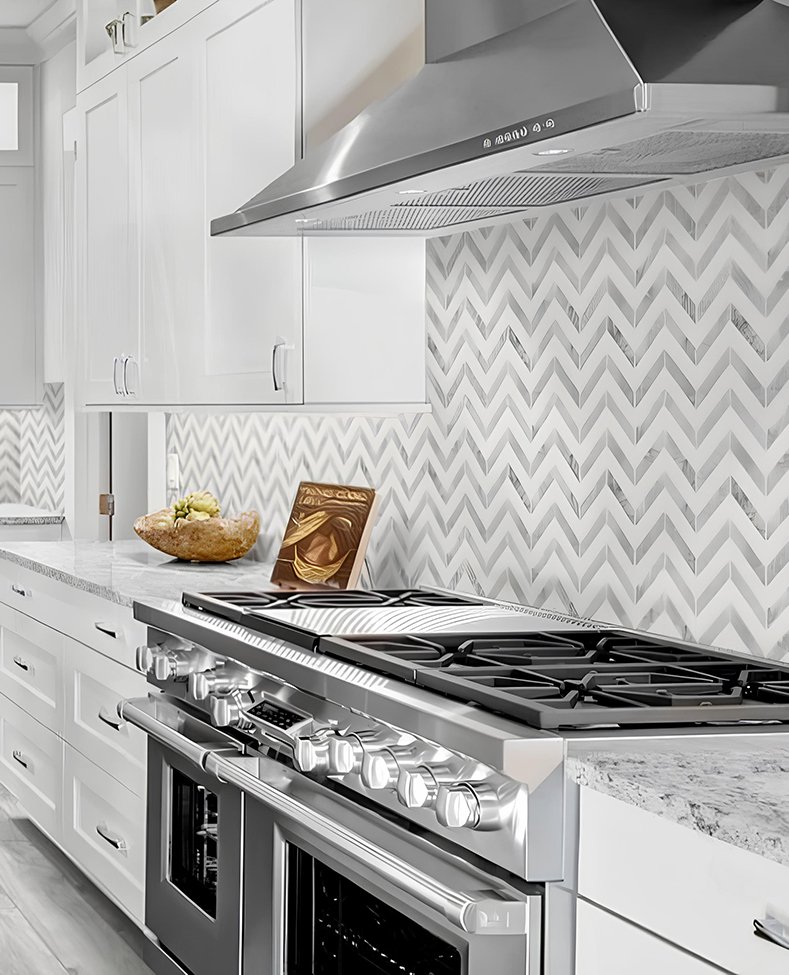
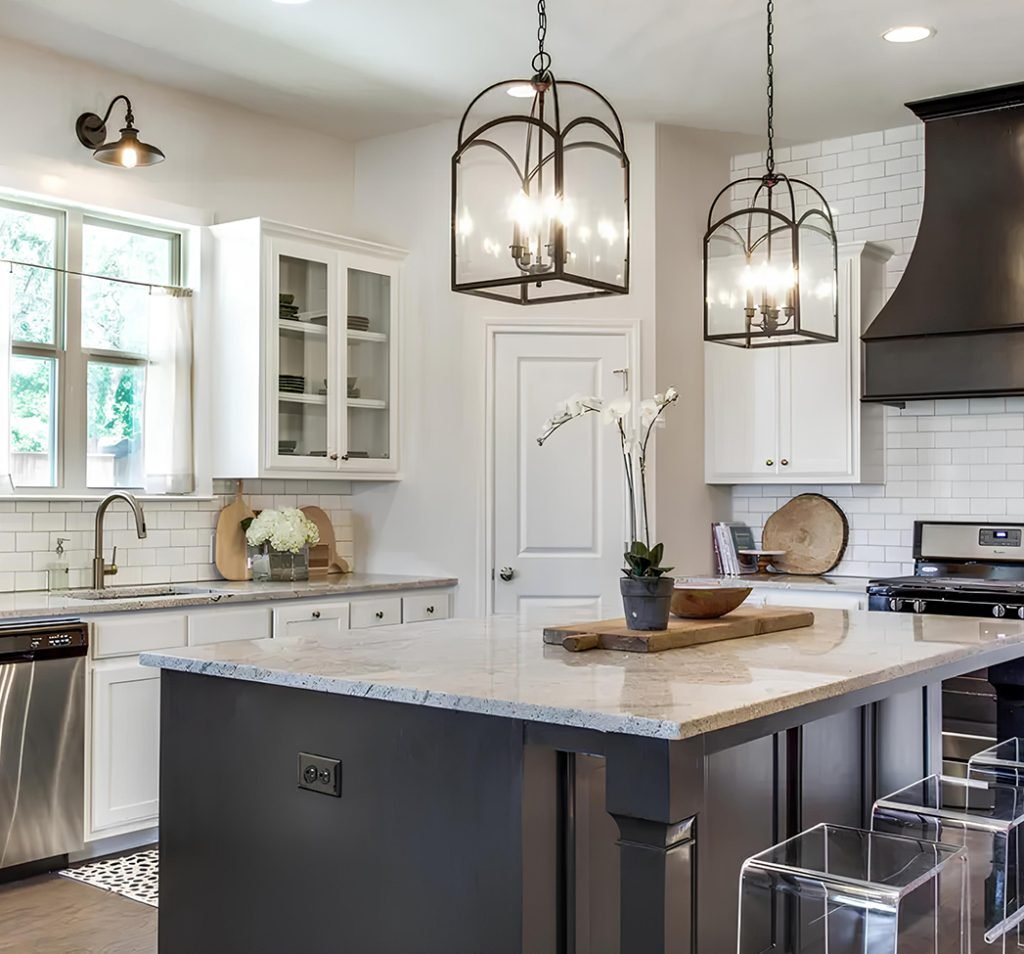
A kitchen backsplash serves both a functional and decorative purpose, protecting walls from moisture, heat, and daily cooking activity while enhancing the overall design of the space. Installing a backsplash helps create a durable surface that resists stains and is easy to maintain. Proper installation ensures materials remain aligned, sealed, and integrated with surrounding countertops and cabinetry.
Backsplashes are commonly installed behind sinks, countertops, and cooking areas where exposure to water and food preparation is frequent. When designed and installed correctly, a backsplash becomes a key visual feature while helping preserve the condition of the surrounding walls.
The Role of a Kitchen Backsplash
A backsplash helps protect walls from splashes, grease, and moisture. Without proper protection, painted or unfinished surfaces can become damaged over time. Installing tile or stone behind countertops creates a barrier that supports long-term durability and simplifies cleaning.
In addition to protection, a backsplash contributes to the visual cohesion of the kitchen. It helps connect cabinetry, countertops, and flooring into a unified design. A well-installed backsplash enhances both function and appearance.
Material Options and Design
Backsplashes can be created using a variety of materials, including ceramic tile, porcelain, glass, natural stone, and mosaic patterns. Each material offers different textures and visual effects. Some provide a subtle background, while others create a bold focal point.
Choosing the right material depends on durability requirements, maintenance preferences, and overall design goals. Tile and stone are commonly selected for their ability to withstand moisture and daily use. Proper installation ensures materials are sealed and aligned correctly to maintain their appearance over time.
Design also plays an important role in backsplash installation. Layout patterns, grout color, and finish details all influence the final look. Careful planning ensures the backsplash complements surrounding surfaces and supports the overall style of the kitchen.
Enhancing Functionality and Maintenance
A properly installed backsplash makes kitchen maintenance easier. Smooth surfaces allow for quick cleaning and help prevent stains from setting into the wall. This improves hygiene and helps maintain a fresh appearance throughout the kitchen.
Backsplashes also protect areas that experience frequent use, such as behind sinks and cooktops. When installed correctly, they prevent moisture from reaching underlying wall structures. This helps preserve the integrity of surrounding materials and reduces the need for future repairs.
The Installation Process
The installation process begins with surface preparation. Walls are inspected and prepared to ensure tiles or stone adhere properly. Measurements are taken to ensure the backsplash fits accurately between countertops and cabinetry.
Materials are then positioned and secured using appropriate adhesives. Spacing is maintained for grout lines, and edges are finished to create a clean and consistent appearance. Once tiles are set, grout is applied and sealed to protect against moisture.
Working with experienced professionals for Kitchen Backsplash helps ensure installation is completed with precision. Proper placement and sealing support long-term durability and visual consistency.
Durability and Long-Term Performance
Backsplashes are designed to withstand daily use and exposure to moisture. Proper installation helps prevent tiles from loosening and grout from deteriorating. Sealed surfaces resist stains and maintain their appearance over time.
Routine cleaning and occasional inspection help preserve the backsplash. Addressing minor issues early helps maintain both durability and visual quality. A well-installed backsplash remains a reliable protective feature in the kitchen.
When to Install or Update a Backsplash
Backsplash installation is often part of a kitchen renovation or upgrade. It may also be recommended when existing walls show signs of wear or when updating the design of the space. Adding a backsplash can significantly improve both the functionality and appearance of the kitchen.
Updating the backsplash allows homeowners to refresh the design without a full remodel. New materials and patterns can transform the space while providing added protection.
Why Professional Installation Matters
Installing a backsplash requires precise measurement, careful alignment, and proper sealing. Professional installers ensure tiles are level, evenly spaced, and securely attached. This level of precision helps maintain both durability and visual appeal.
Professionals also help guide material selection and layout decisions to ensure the backsplash complements the rest of the kitchen. Proper installation helps prevent moisture issues and ensures the backsplash remains a long-lasting feature.
Creating a Finished and Cohesive Kitchen
A kitchen backsplash enhances both protection and design. It creates a finished look while helping preserve surrounding surfaces. When installed correctly, it becomes an integral part of the kitchen’s overall structure and style.
Investing in professional backsplash installation ensures the final result supports daily use and long-term durability. With the right materials and careful placement, a backsplash becomes a lasting and functional addition to the kitchen.